Patio Sealing in Seattle, WA
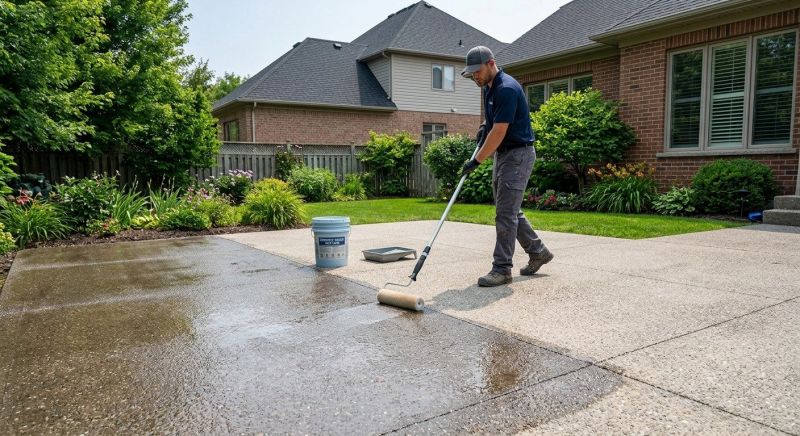
Patio sealing services involve applying a protective coating to outdoor surfaces such as concrete, stone, brick, or pavers to help prevent damage from moisture, stains, and general wear. This process is commonly requested for patios, walkways, driveways, and other paved areas to enhance durability and maintain appearance over time. Property owners typically want to understand the type of sealer used, how often resealing is recommended, and the benefits of sealing, including increased resistance to stains, cracking, and fading.
Before requesting patio sealing, homeowners should consider the current condition of the surface, including any existing damage or signs of wear. It’s also helpful to know the specific materials involved, as different surfaces may require tailored sealing products. Proper surface preparation, such as cleaning and repairs, is essential for optimal results. Clear communication about project scope and expectations can ensure the sealing process effectively protects and preserves outdoor spaces.
Many property owners in Seattle, WA look into Patio Sealing for repairs, replacements, upgrades, and appearance-related improvements.
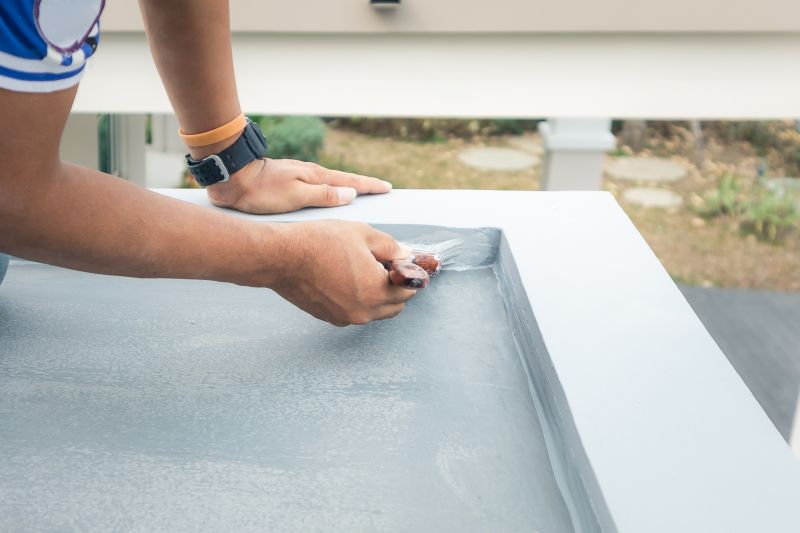
Protecting Your Patio
Sealing helps prevent stains, weather damage, and wear on outdoor surfaces.
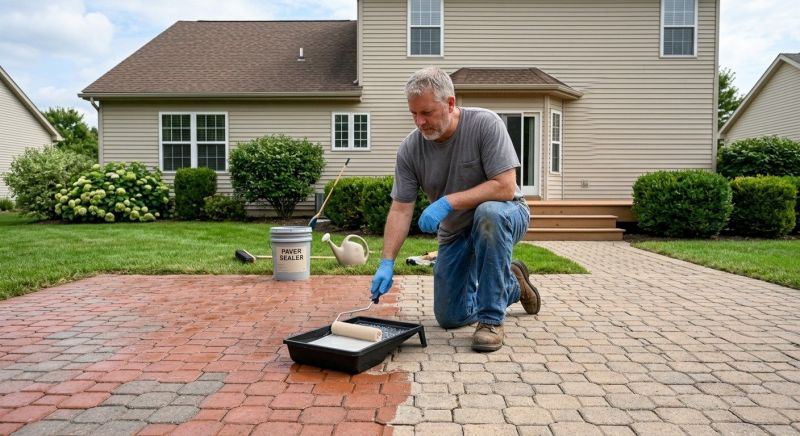
Enhancing Durability
Proper sealing extends the lifespan of patios and keeps them looking their best.
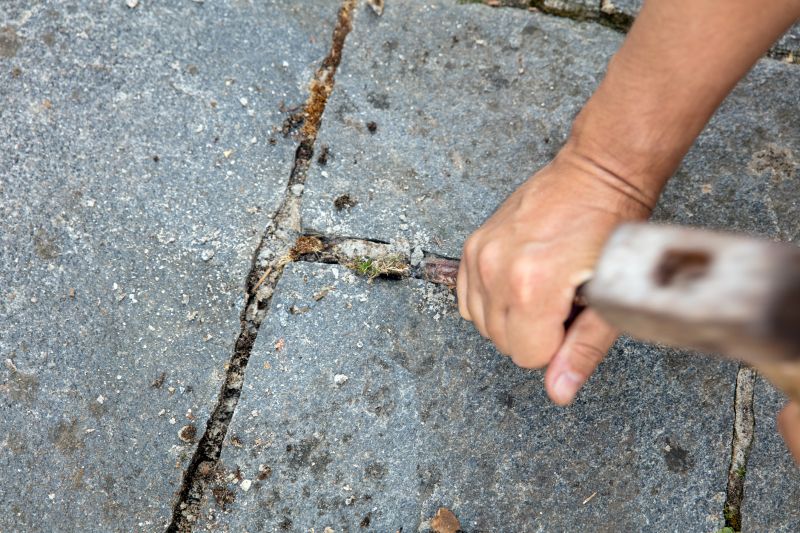
Maintaining Appearance
Sealing restores color and texture, keeping outdoor spaces attractive in seattle's climate.
Patio Sealing in Seattle, WA
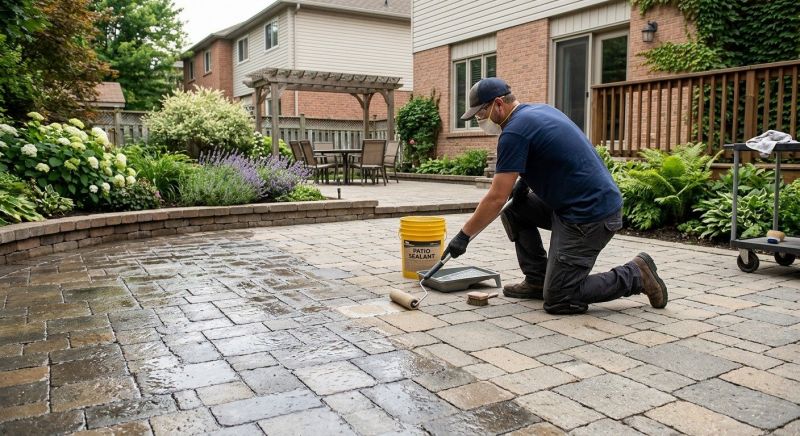
Patio sealing services involve applying a protective coating to outdoor surfaces such as concrete, stone, brick, or pavers to help prevent damage from moisture, stains, and general wear. This process is commonly requested for patios, walkways, driveways, and other paved areas to enhance durability and maintain appearance over time. Property owners typically want to understand the type of sealer used, how often resealing is recommended, and the benefits of sealing, including increased resistance to stains, cracking, and fading.
Before requesting patio sealing, homeowners should consider the current condition of the surface, including any existing damage or signs of wear. It’s also helpful to know the specific materials involved, as different surfaces may require tailored sealing products. Proper surface preparation, such as cleaning and repairs, is essential for optimal results. Clear communication about project scope and expectations can ensure the sealing process effectively protects and preserves outdoor spaces.
Many property owners in Seattle, WA look into Patio Sealing for repairs, replacements, upgrades, and appearance-related improvements.
Common Patio Sealing Jobs
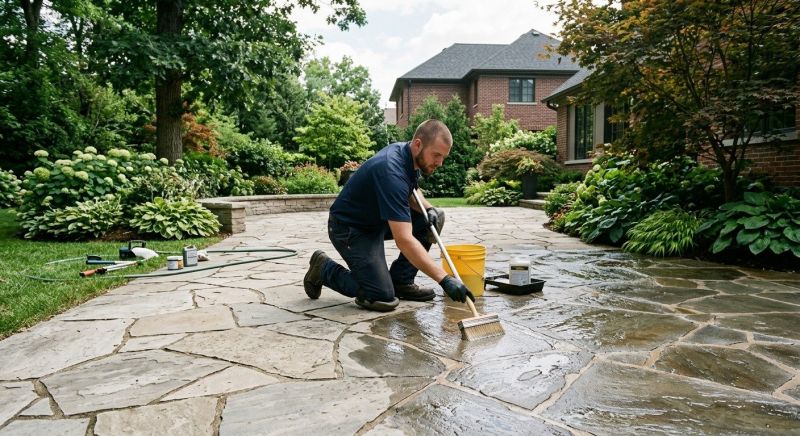
Patio sealing - protects concrete and stone surfaces from stains and weather damage.
Deck sealing - helps prevent water penetration and extends the lifespan of wooden decks.
Brick and stone sealing - preserves the appearance and prevents deterioration of masonry surfaces.
Outdoor surface sealing - creates a barrier against dirt, algae, and moisture buildup.
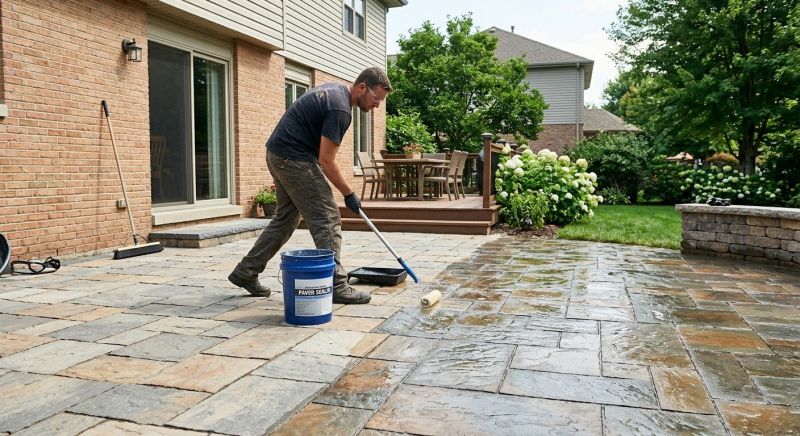
Sealing for pavers - reduces weed growth and keeps paver joints intact over time.
Surface sealing maintenance - involves reapplying sealant to maintain protection and appearance.
Patio Sealing Questions
What is patio sealing? Patio sealing involves applying a protective coating to surfaces like concrete, stone, or pavers to prevent damage from moisture, stains, and wear.
Why should a patio be sealed? Sealing helps extend the lifespan of the patio, maintains its appearance, and makes cleaning easier by resisting stains and surface deterioration.
What types of patios can be sealed? Most common patio surfaces such as concrete, brick, stone, and pavers can benefit from sealing to protect against weather and daily use.
How often should a patio be resealed? Typically, resealing is recommended every 2 to 3 years to maintain protection and appearance.
Request Patio Sealing in Seattle, WA
Use the quote form on this page to share the basics of your project and request more information for the type of work you need.